
Top 10 Temples That Receive the Highest Donations in India
Every year, devotees across India offer thousands of crores of rupees to temples. Some drop a few coins in the hundi. Others donate gold, silver, land, and even entire buildings.
This giving is not new. Indian temples have received offerings for centuries because devotees see donation, or daan, as an act of gratitude and surrender to the deity.
These contributions do far more than decorate sanctums. Large temple trusts run hospitals, schools, free kitchens, and pilgrim shelters. The Tirumala Tirupati Devasthanams alone serves free meals to around 70,000 pilgrims every single day.
This article looks at the ten temples that receive the highest donations in India, why devotees give so generously, and where the money actually goes.
One note before we begin: donation figures change every year, and most numbers here are approximate. They come from trust announcements, government statements, and credible news reports.
Which Temple Receives the Highest Donation in India?
The Tirumala Venkateswara Temple in Tirupati, Andhra Pradesh, receives the highest donations in India. The temple collects an estimated Rs 1,500 to 1,650 crore every year through its hundi alone.
It also earns from laddu prasadam sales, hair tonsure auctions, and structured donation schemes. Its managing body, the Tirumala Tirupati Devasthanams, approved a budget of about Rs 5,258 crore for the financial year 2025 to 2026, making it the wealthiest actively earning temple institution in the country.
Comparison Table: India's Highest Donation Temples at a Glance
| Rank | Temple Name | State | Approximate Annual Donation | Famous For |
|---|---|---|---|---|
| 1 | Tirumala Venkateswara Temple | Andhra Pradesh | Rs 1,500 to 1,650 crore | Hundi offerings, laddu prasadam, hair tonsure |
| 2 | Padmanabhaswamy Temple | Kerala | Rs 750 to 800 crore (estimates) | Treasure vaults, Ananta Shayana form of Vishnu |
| 3 | Ram Mandir, Ayodhya | Uttar Pradesh | Rs 300 to 700 crore (varies by count) | Ram Janmabhoomi, newest major shrine |
| 4 | Shirdi Sai Baba Temple | Maharashtra | Rs 630 to 660 crore | Sai Baba Samadhi, hospitals, free meals |
| 5 | Vaishno Devi Temple | Jammu and Kashmir | Rs 200 to 250 crore | Trikuta Hills Yatra, cave shrine |
| 6 | Golden Temple (Harmandir Sahib) | Punjab | Rs 500 crore (estimates) | World's largest free kitchen, gold-plated shrine |
| 7 | Siddhivinayak Temple | Maharashtra | Rs 133 to 154 crore | Ganesha shrine of Mumbai, celebrity devotees |
| 8 | Jagannath Temple, Puri | Odisha | No consolidated figure; crores yearly | Rath Yatra, Mahaprasad, Ratna Bhandar |
| 9 | Kashi Vishwanath Temple | Uttar Pradesh | Rs 85 to 100 crore and rising | Jyotirlinga, Kashi corridor |
| 10 | Meenakshi Amman Temple | Tamil Nadu | Several crore yearly | Dravidian gopurams, Meenakshi Thirukalyanam |
Figures are approximate, based on trust reports and news coverage available in 2025 and 2026. Rankings can shift year to year depending on whether only hundi donations or total income is counted.
1. Tirumala Venkateswara Temple, Tirupati
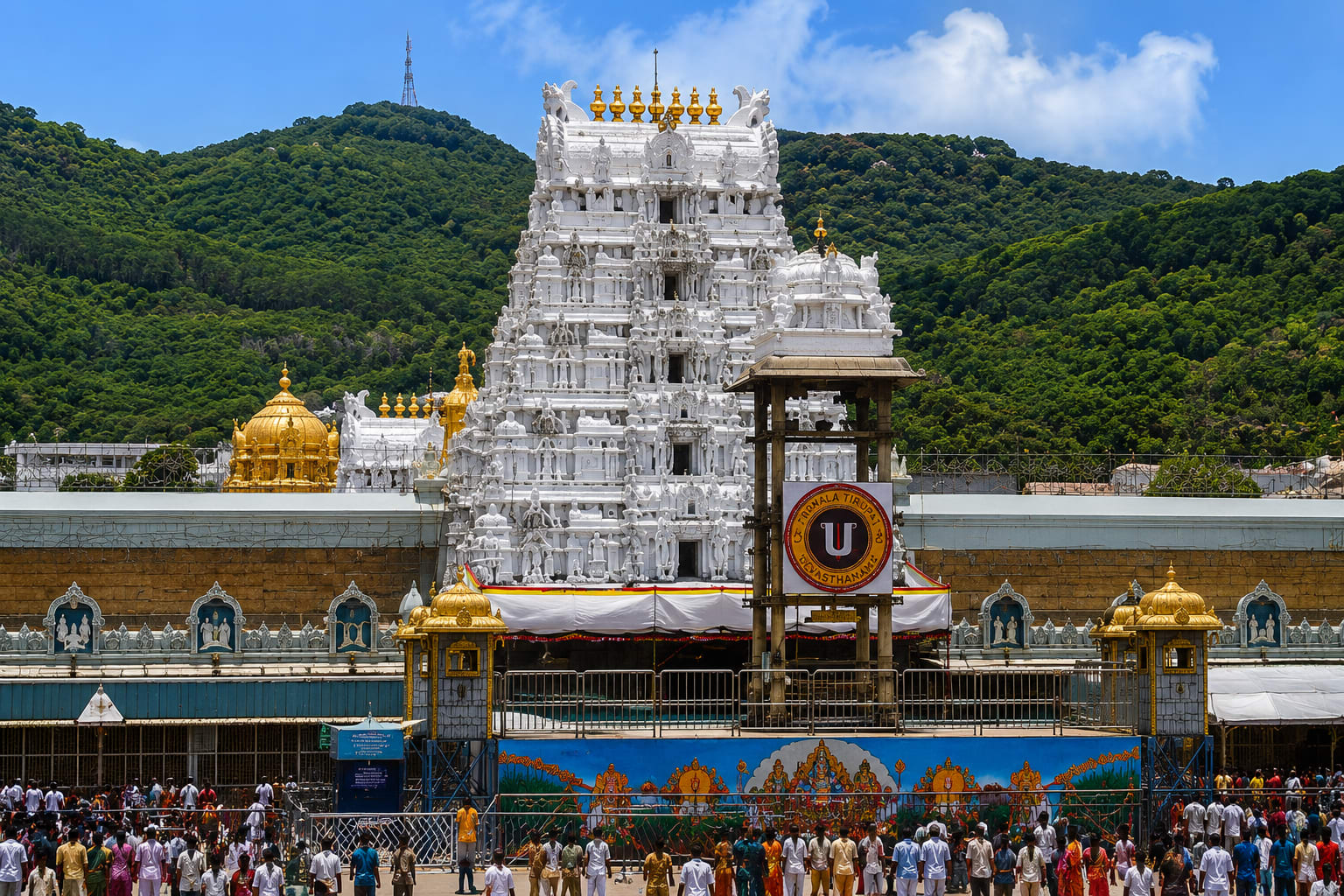
- Location: Tirumala Hills, Tirupati, Andhra Pradesh
- Presiding deity: Lord Venkateswara, a form of Lord Vishnu
- Annual donation: Rs 1,500 to 1,650 crore through the hundi, plus hundreds of crores through trusts
- Devotees: 60,000 to 80,000 daily; over one lakh during festivals
No temple in India, and possibly no religious institution in the world, matches the daily flow of offerings at Tirumala.
Devotees believe that Lord Venkateswara took a loan from Kubera for his celestial wedding. Offerings in the hundi help repay that divine debt. This belief, passed down through generations, keeps the donations flowing without pause.
The scale of the temple's finances is hard to picture:
- A 2020 white paper disclosed holdings of about 10.3 tonnes of gold and bank deposits of roughly Rs 15,938 crore.
- Between November 2024 and October 2025, its trusts received over Rs 918 crore in structured donations, on top of daily hundi collections.
- The famous Tirupati laddu prasadam generates significant revenue from lakhs of pilgrims.
- Tonsured hair offered by devotees is auctioned and adds crores to the temple's income.
Donations fund free meals for about 70,000 pilgrims daily, Veda pathshalas, hospitals, including a children's heart center, goshalas, and the renovation of old temples across several states. The annual Brahmotsavam is the temple's grandest festival.
2. Padmanabhaswamy Temple, Thiruvananthapuram
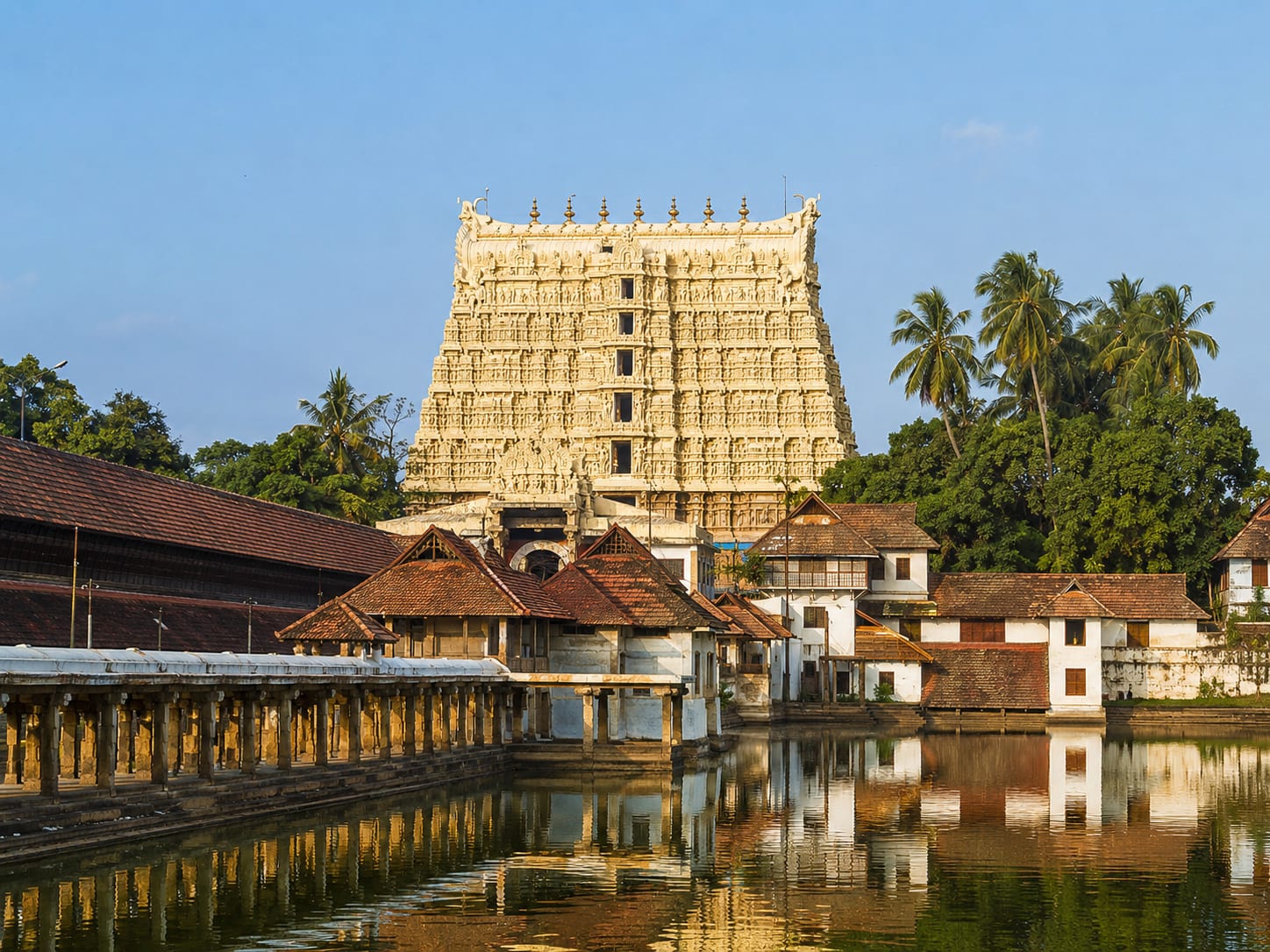
- Location: Thiruvananthapuram, Kerala
- Presiding deity: Lord Padmanabhaswamy, Vishnu reclining on the serpent Ananta
- Annual donation: Rs 750 to 800 crore, according to media estimates
The Padmanabhaswamy Temple became a global headline in 2011. Court-ordered inventories of its underground vaults revealed treasures of staggering value.
Gold coins, jeweled crowns, precious stones, and antique ornaments accumulated over centuries were documented. Unofficial estimates place the value above Rs 1.2 lakh crore. One vault, popularly called Vault B, remains unopened to this day.
What makes this temple different:
- Deep ties with the erstwhile Travancore royal family, whose rulers dedicated the kingdom to Lord Padmanabha and governed as his servants.
- In 2020, the Supreme Court upheld the family's role in the temple's administration.
- Strict traditional dress codes apply for darshan.
- Major festivals include the Alpashy and Painkuni utsavams and the grand Lakshadeepam held once every six years.
Donations support daily rituals, temple upkeep, staff, and traditional festivals conducted with full Vedic rigor. The temple does not publish detailed public accounts the way some other trusts do, so yearly figures remain estimates.
3. Ram Mandir, Ayodhya
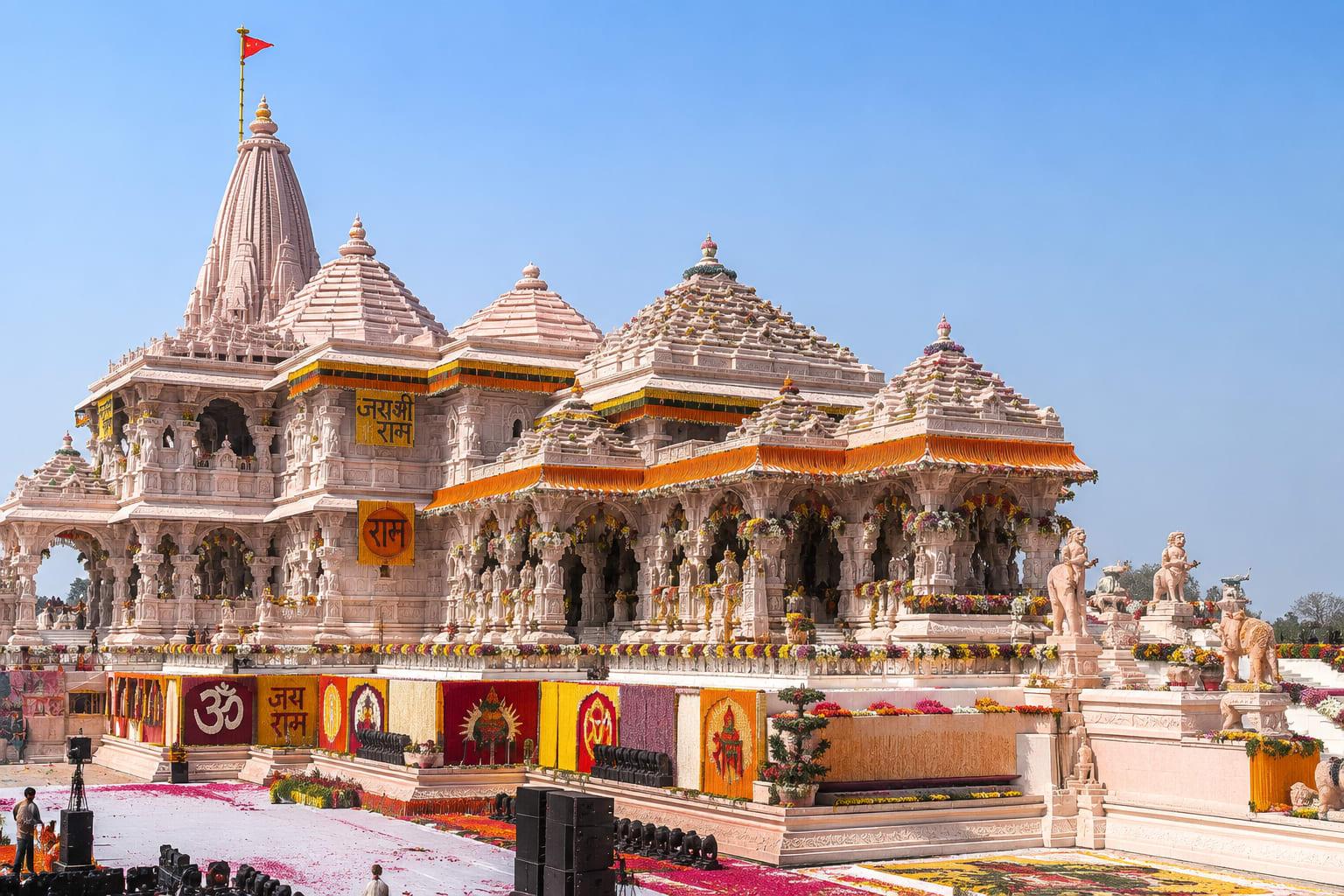
- Location: Ram Janmabhoomi, Ayodhya, Uttar Pradesh
- Presiding deity: Ram Lalla, the child form of Lord Ram
- Annual donation: Rs 300 to 700 crore, depending on whether interest income is included
- Devotees: around five crore visitors in the first year alone
The newest entry on this list is also its fastest riser. After the pran pratishtha ceremony on January 22, 2024, Ayodhya witnessed a surge of devotion rarely seen in modern India.
The numbers tell the story:
- Devotees have contributed more than Rs 3,500 crore since the trust was formed in February 2020.
- Offerings include about 944 kilograms of silver and around 20 kilograms of gold.
- The trust reported an income of about Rs 327 crore in the financial year 2024 to 2025. Some reports that include interest earnings place annual revenue closer to Rs 700 crore.
- The temple was built almost entirely through public donations. The government contributed a symbolic one rupee.
The trust's accounts are audited by the Comptroller and Auditor General. It has paid close to Rs 396 crore in taxes during the construction period.
Ram Navami is the temple's grandest occasion, marked by the surya tilak, when sunlight falls on the forehead of Ram Lalla at noon. Donations fund the remaining construction, pilgrim facilities, and daily operations that remain free for all visitors.
4. Shirdi Sai Baba Temple, Maharashtra
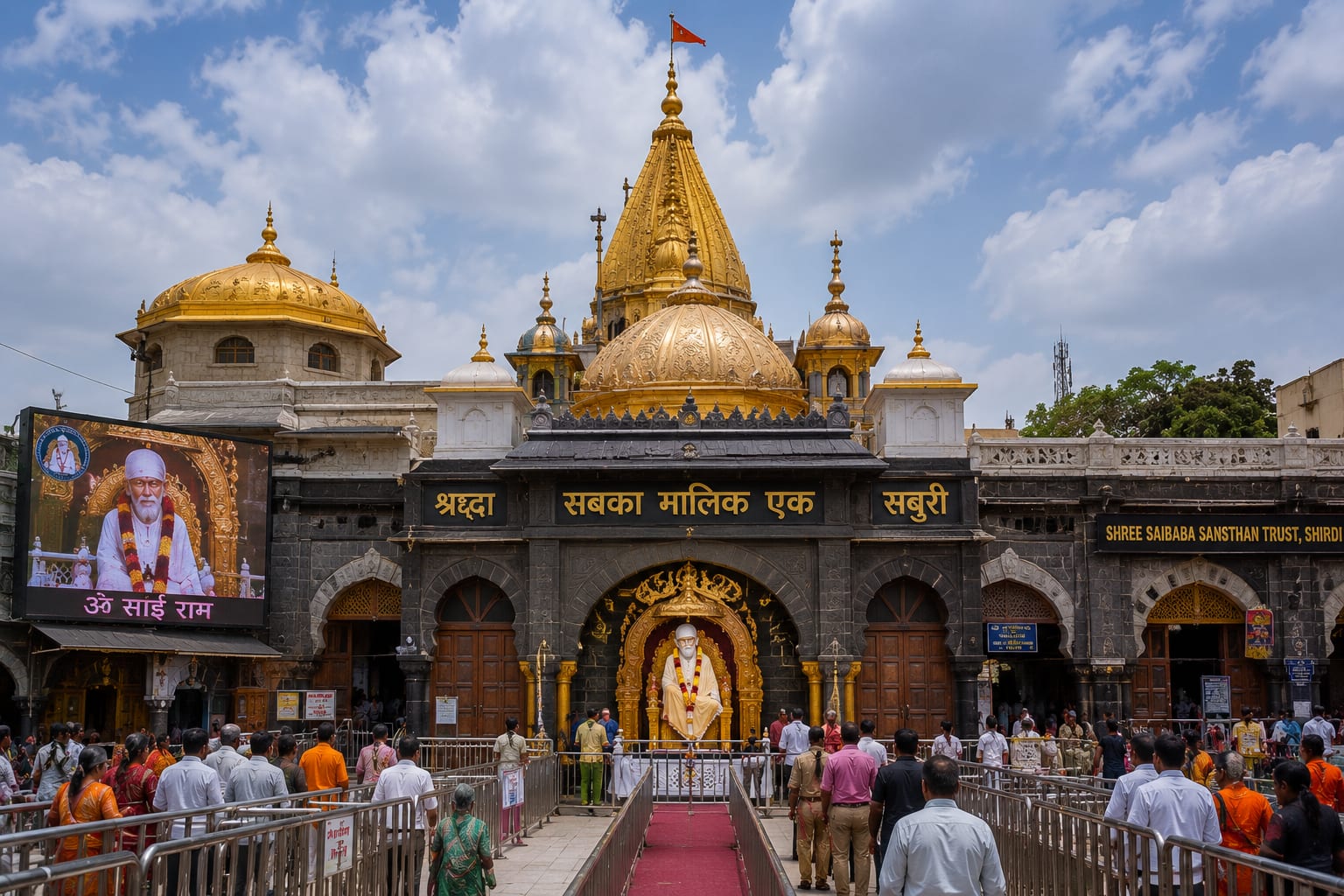
- Location: Shirdi, Ahilyanagar district, Maharashtra
- Presiding deity: Shri Sai Baba of Shirdi, at his Samadhi Mandir
- Annual donation: Rs 630 to 660 crore in offerings; total trust income above Rs 850 crore
- Devotees: more than three crore in a single year
Sai Baba lived as a fakir who owned almost nothing. Yet the shrine built over his samadhi now receives some of the largest offerings in the country.
His simple message of shraddha and saburi, faith and patience, draws people across religions. That universal appeal keeps Shirdi's donation counters busy through the year.
Recent figures from the Shri Saibaba Sansthan Trust:
- Donations of roughly Rs 660 crore in the financial year 2025 to 2026.
- Offerings included about 16 kilograms of gold and 197 kilograms of silver.
- Total income crossed Rs 851 crore, with fixed deposits of around Rs 3,618 crore.
- Devotees donated medical equipment worth Rs 15 to 20 crore to the trust's hospitals in one year.
How Shirdi uses its donations:
- Two large hospitals that provide treatment, including subsidized and free care for the poor.
- A massive prasadalaya serving free and subsidized meals to tens of thousands daily, continuing Baba's tradition of annadan.
- Schools, a college, water supply projects, and pilgrim accommodation.
Ram Navami, Guru Purnima, and Vijayadashami, the day of Baba's mahasamadhi, are the three major festivals when offerings peak.
5. Vaishno Devi Temple, Jammu and Kashmir
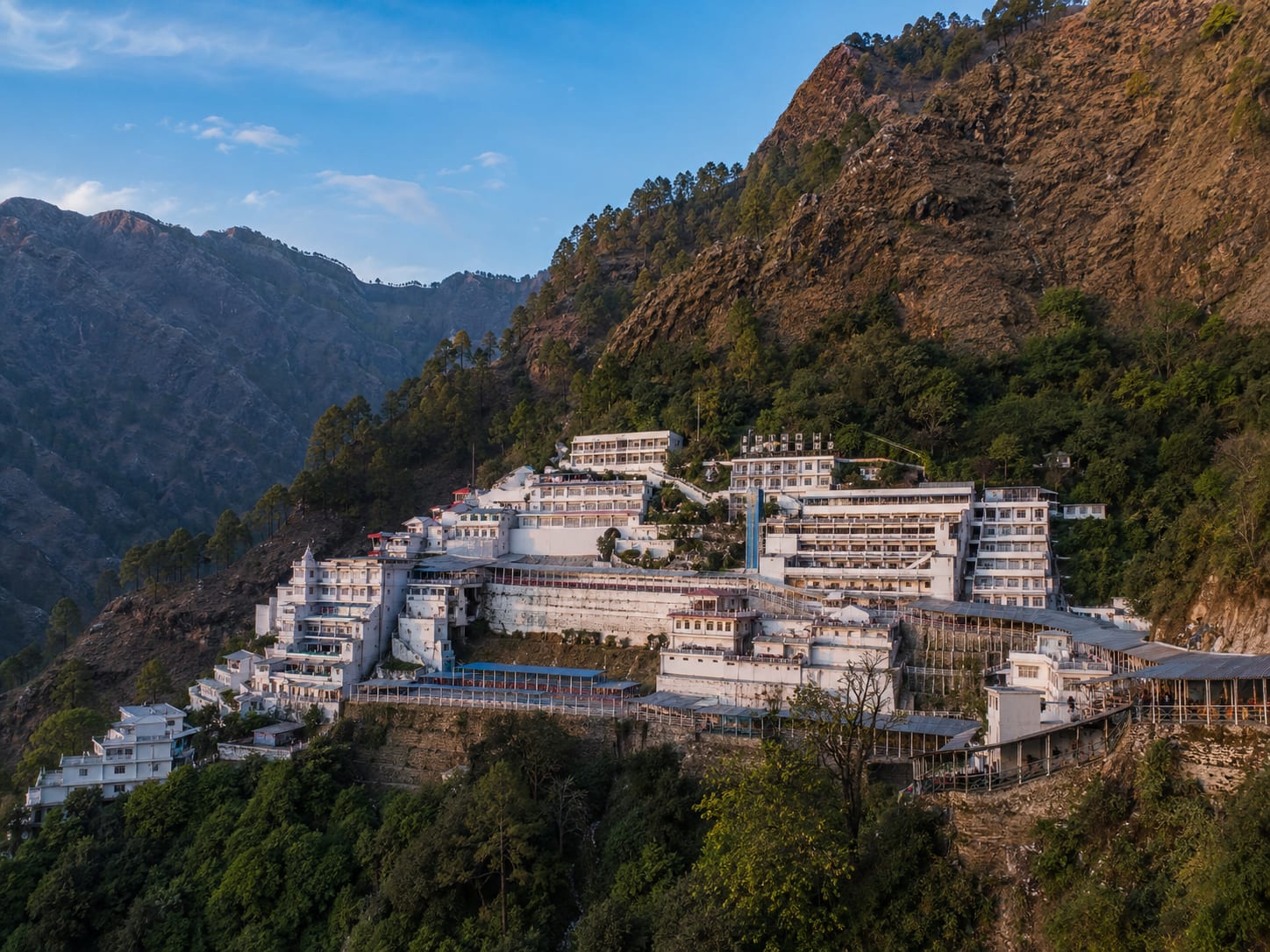
- Location: Trikuta Hills near Katra, Jammu and Kashmir
- Presiding deity: Mata Vaishno Devi, worshipped as three natural rock forms called pindis
- Annual donation: Rs 200 to 250 crore
- Devotees: 80 lakh to one crore pilgrims every year
The journey itself is the offering here. Devotees trek about 12 kilometers uphill from Katra, chanting Jai Mata Di, to reach the holy cave.
The three pindis inside represent Maha Kali, Maha Lakshmi, and Maha Saraswati. Official data has shown offerings of around Rs 167 crore in a single financial year. With income from accommodation, helicopter services, and prasad, total earnings are estimated between Rs 200 and 250 crore.
The Shri Mata Vaishno Devi Shrine Board, formed in 1986, channels this money into visible public good:
- Shri Mata Vaishno Devi University near Katra.
- A super specialty hospital at Kakryal.
- Schools and free langar services along the yatra track.
- Battery vehicles, ropeway sections, and improved tracks for elderly pilgrims.
Navratri, celebrated twice a year, is the peak season when both footfall and donations rise sharply.
6. Golden Temple (Harmandir Sahib), Amritsar
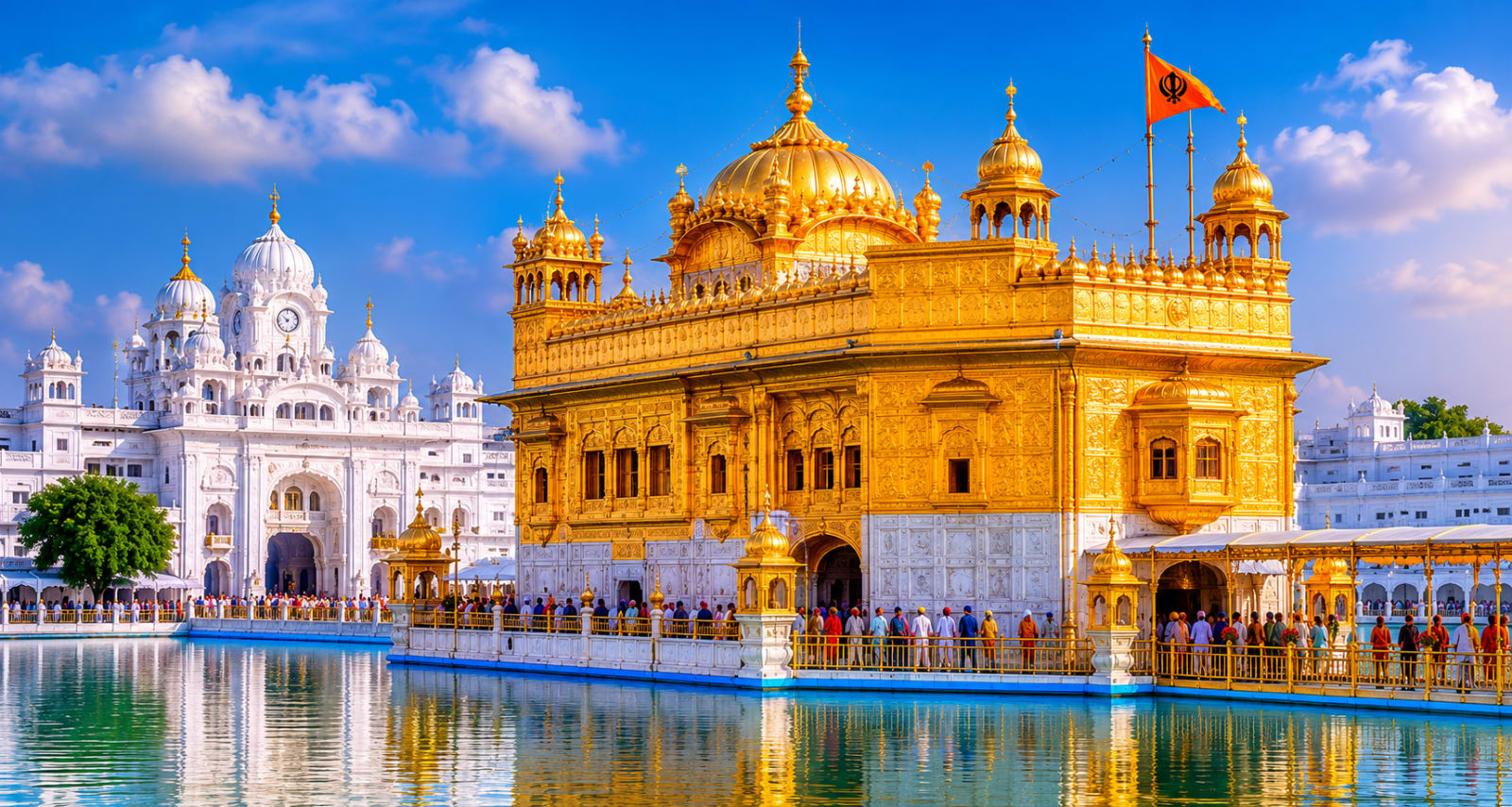
- Location: Amritsar, Punjab
- Sacred focus: Guru Granth Sahib, the eternal Guru of the Sikhs
- Annual donation: around Rs 500 crore, according to widely cited estimates
The Golden Temple is a gurdwara, the holiest shrine of Sikhism. We include it here because any honest discussion of religious donations in India is incomplete without it.
Its sanctum glows with more than 750 kilograms of gold plating, much of it donated by devotees over two centuries, beginning with Maharaja Ranjit Singh in the early 1800s. Offerings flow in from Punjab, the rest of India, and the global Sikh diaspora in Canada, the UK, the US, and Australia.
What sets Harmandir Sahib apart is where the money visibly goes:
- Its langar is the largest free community kitchen in the world, serving hot meals to roughly one lakh people every day.
- Meals are served to everyone, regardless of religion, caste, or nationality.
- Volunteers cook, serve, and wash dishes as seva.
- The Shiromani Gurdwara Parbandhak Committee manages the shrine along with many historic gurdwaras.
Gurpurabs, especially the birth anniversary of Guru Nanak Dev Ji, and Baisakhi are the biggest occasions, when donations reach their annual peak.
7. Siddhivinayak Temple, Mumbai
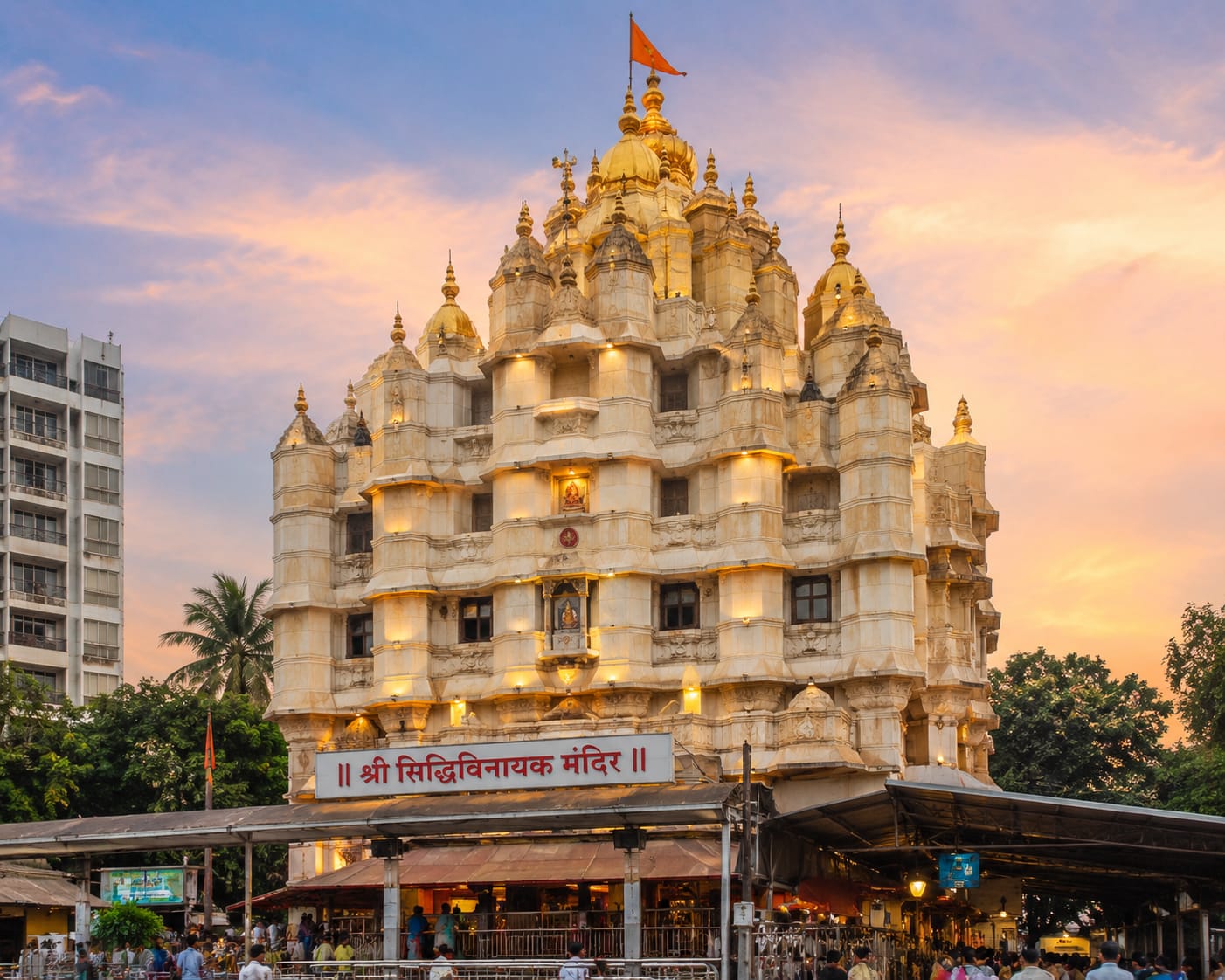
- Location: Prabhadevi, Mumbai, Maharashtra
- Presiding deity: Lord Ganesha as Siddhivinayak, the granter of wishes
- Annual donation: Rs 133 crore in 2024 to 2025; projected Rs 154 crore for 2025 to 2026
Built in 1801 as a small shrine, Siddhivinayak has grown into the spiritual heartbeat of Mumbai. Its Ganesha idol, carved from a single black stone with the trunk turned to the right, is considered especially powerful.
The temple trust recorded revenue of Rs 133 crore in the financial year 2024 to 2025, about 15 percent higher than the previous year.
The temple's location in India's financial capital shapes its character:
- Film stars visit before movie releases and industrialists before major deals.
- On Angaraki Chaturthi, when Sankashti Chaturthi falls on a Tuesday, queues stretch for kilometers through the night.
- The trust holds over 150 kilograms of gold.
Its social programs are equally notable:
- The Bhagyalakshmi scheme proposes fixed deposits for girl children born in government hospitals.
- The trust funds dialysis centers, book banks for students, and medical aid for the needy.
Ganesh Chaturthi remains the temple's grandest celebration each year.
8. Jagannath Temple, Puri
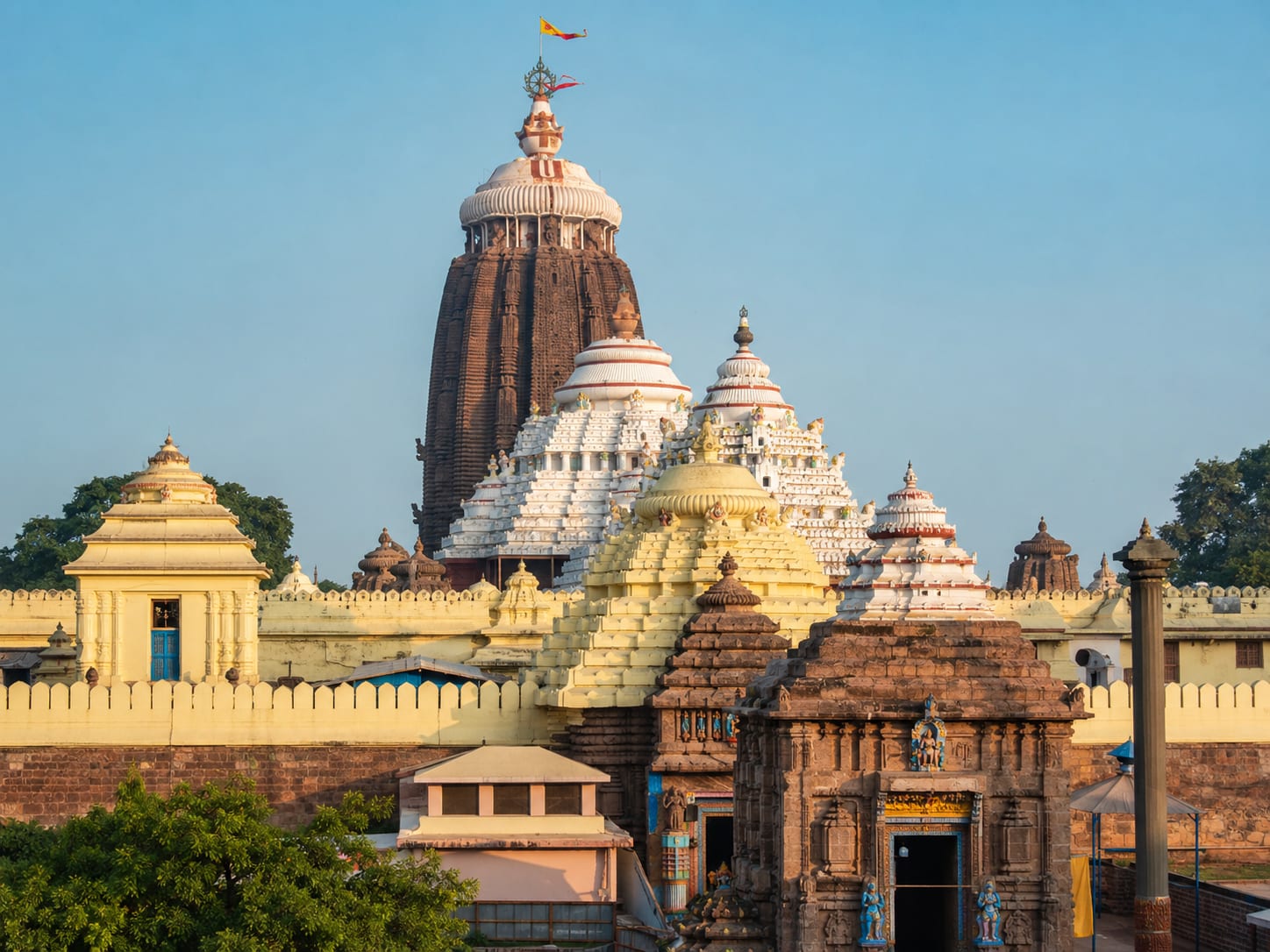
- Location: Puri, Odisha
- Presiding deity: Lord Jagannath, with Lord Balabhadra and Devi Subhadra
- Annual donation: no consolidated public figure; offerings run into crores each year
- Devotees: around 30,000 daily; over 70,000 during festivals
The twelfth-century Jagannath Temple is one of the Char Dham pilgrimage sites and the spiritual soul of Odisha. Its annual Rath Yatra is among the largest religious processions on earth.
The temple's wealth is structured differently from the cash-heavy trusts on this list. Much of it lies in land and centuries-old treasure rather than yearly hundi collections.
Key facts about its wealth:
- The Shree Jagannath Temple Administration manages tens of thousands of acres of land across Odisha and beyond.
- The famed Ratna Bhandar, its jewel treasury, was reopened in July 2024 after 46 years for inventory and conservation.
- A single European devotee once contributed Rs 1.72 crore.
Where donations go:
- The temple kitchen, among the largest in the world, prepares Mahaprasad in earthen pots over wood fires.
- Fifty-six varieties of food are offered to the deities before being sold in the Ananda Bazar.
- Funds maintain the towering Deula architecture, the Nabakalebara ritual, and the livelihoods of thousands of hereditary sevayats.
9. Kashi Vishwanath Temple, Varanasi
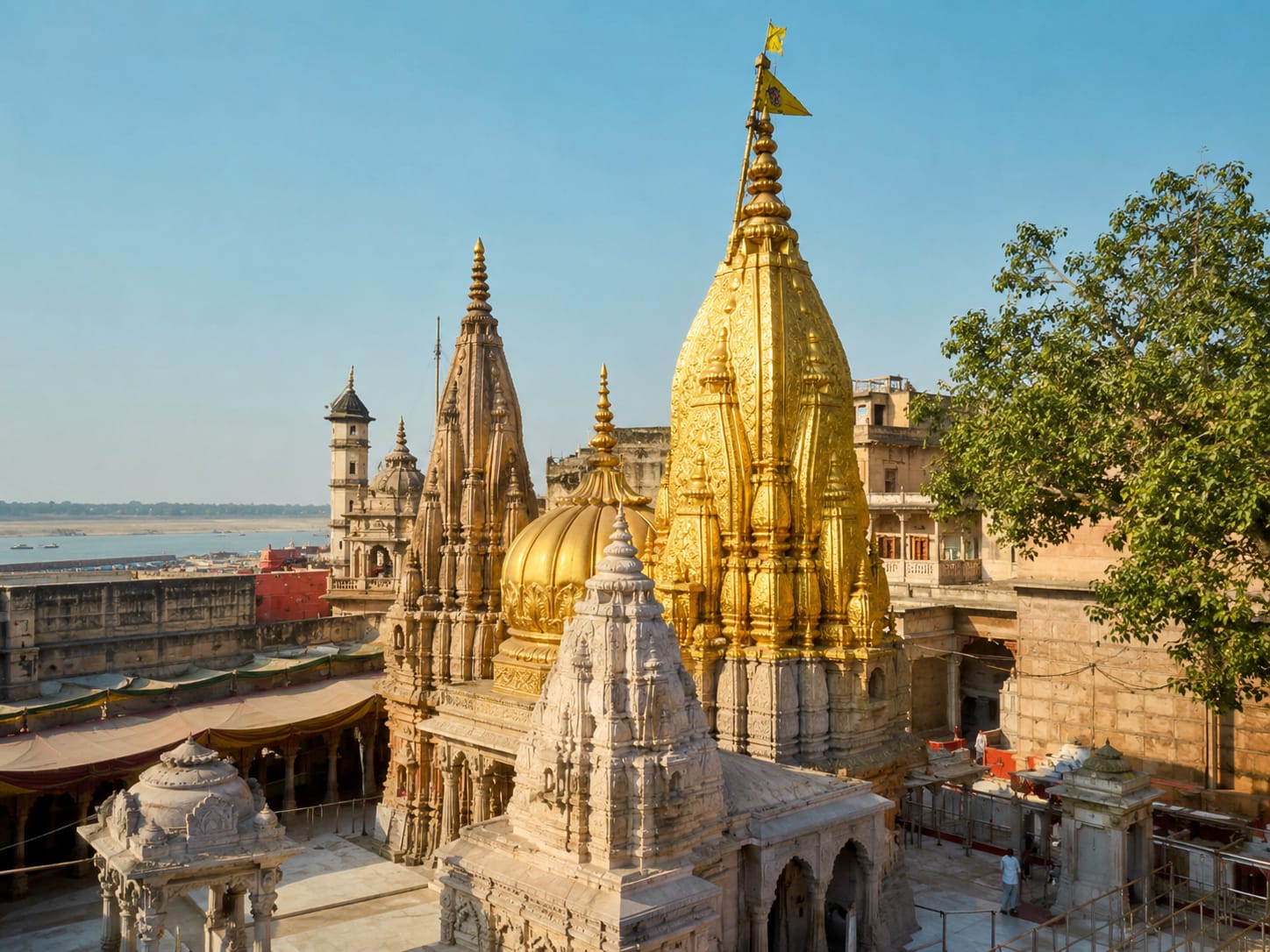
- Location: Vishwanath Gali, Varanasi, Uttar Pradesh
- Presiding deity: Lord Shiva as Vishwanath, one of the twelve Jyotirlingas
- Annual donation: Rs 85 to 100 crore, and growing rapidly
- Devotees: more than 45,000 pilgrims a day on average
Few temples have transformed as dramatically in recent years. The Kashi Vishwanath Dham corridor opened in December 2021, connecting the ancient shrine directly to the Ganga ghats.
The results have been remarkable:
- Cumulative visits since the corridor opened will have crossed 25 crore by late 2025.
- Trust earnings reached about Rs 86.79 crore in the financial year 2023 to 2024.
- Donations rose close to 25 percent in a single year.
- In 2022, an anonymous devotee from South India donated 60 kilograms of gold, which now plates the sanctum.
Historically, Maharaja Ranjit Singh donated roughly a tonne of gold for the temple's domes in the 1830s. That is why locals have long called it the golden temple of Kashi.
Hindus believe darshan of Vishwanath and a dip in the Ganga help the soul toward moksha. Shravan month and Mahashivratri bring the largest crowds. Donations fund the corridor's upkeep, free food services, and the restoration of dozens of smaller heritage temples.
10. Meenakshi Amman Temple, Madurai
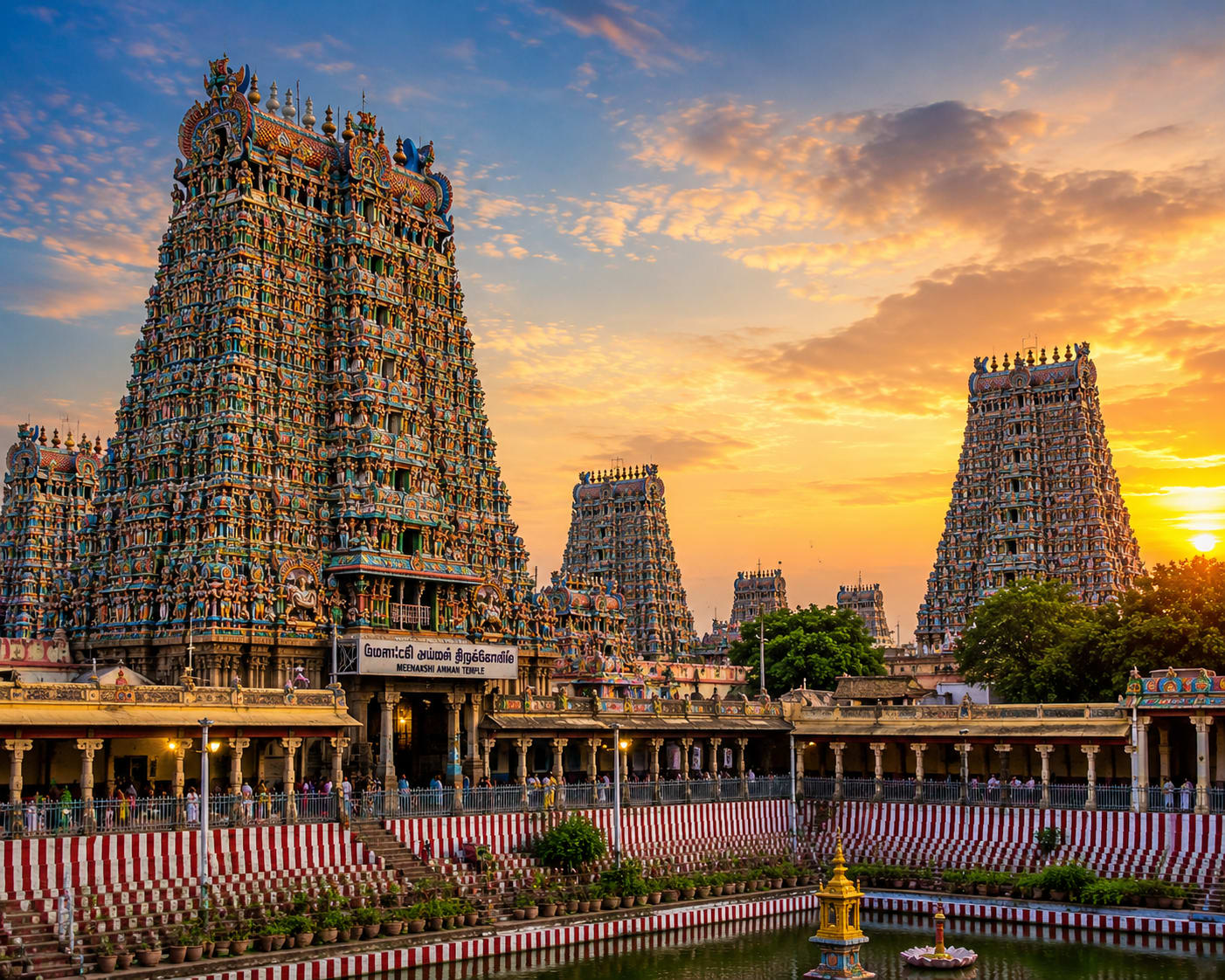
- Location: Madurai, Tamil Nadu
- Presiding deities: Goddess Meenakshi, a form of Parvati, and Lord Sundareswarar, a form of Shiva
- Annual donation: several crore in cash offerings each year, per available estimates
- Devotees: 15,000 to 25,000 daily; up to one lakh during festivals
The Meenakshi Amman Temple earns its place through sheer devotion and cultural weight rather than headline donation figures.
Its cash offerings are modest compared to Tirupati or Shirdi. One reason is that the temple is administered by the Tamil Nadu Hindu Religious and Charitable Endowments Department, which manages finances across thousands of state temples.
What makes this temple extraordinary:
- This is one of the rare major temples where the Goddess is the principal deity. Devotees worship Meenakshi before Sundareswarar.
- The complex spreads over about 14 acres with 14 towering gopurams covered in thousands of painted stucco figures.
- The structure was rebuilt largely under the Nayak rulers in the 16th and 17th centuries.
- The Meenakshi Thirukalyanam, the celestial wedding celebrated during the Chithirai festival in April, draws over a lakh devotees.
Donations and government allocations fund rituals performed six times a day, festival processions, annadanam, and conservation of the ancient structure.
Why Do Some Temples Receive Significantly Higher Donations Than Others?
Several clear patterns separate the biggest earners from the rest:
- Footfall: Tirupati, Shirdi, and Vaishno Devi each welcome crores of pilgrims a year. Even small average offerings multiply into enormous totals at that scale.
- Belief traditions: at Tirupati, the story of Lord Venkateswara's debt to Kubera gives devotees a specific spiritual reason to offer money.
- Vows and mannats: devotees promise an offering if a wish is fulfilled, sustaining giving across generations.
- Trust and transparency: temples with professional boards that publish accounts and visibly spend on hospitals and free food attract larger gifts.
- Digital access: Shirdi's UPI donations and Tirupati's online hundi have widened the donor base to NRIs who may never visit in person.
- Media attention: the Ram Mandir's rise to the top tier within two years shows how collective devotion can reshape donation patterns almost overnight.
How Are Temple Donations Used?
Well-managed temple trusts typically direct their funds into six broad areas:
- Daily worship and rituals: priest salaries, puja materials, flowers, lamps, and festival expenses.
- Annadanam: free meals, which, at Tirupati, Shirdi, and the Golden Temple, feed lakhs of people daily.
- Healthcare: hospitals, dialysis centers, medical camps, and free heart surgeries for children funded through Tirupati's schemes.
- Education: schools, colleges, universities, and Veda pathshalas.
- Infrastructure: pilgrim accommodation, queue complexes, drinking water, and safety systems.
- Heritage and dharma: restoration of old temples, goshalas, and support for hereditary temple servants.
Surplus funds are usually parked in fixed deposits and gold monetization schemes. Shirdi's trust, for example, earned about Rs 256 crore in a year from interest alone.
In states like Tamil Nadu, Andhra Pradesh, and Kerala, government endowment departments oversee spending. Independent trusts like those at Shirdi and Ayodhya are audited by chartered accountants or the CAG.
Richest Temple Versus Highest Annual Donations: What Is the Difference?
These two titles often get mixed up, but they measure different things.
- Richest temple means total accumulated wealth: gold, jewels, land, buildings, and bank deposits gathered over centuries. By this measure, Padmanabhaswamy Temple leads the world, with vault treasures unofficially valued at over Rs 1.2 lakh crore.
- The highest annual donations mean the freshest offerings each year. Here, Tirumala Venkateswara Temple is the clear leader with Rs 1,500 crore or more flowing in annually.
Think of it as a family with inherited property versus a family with the highest salary. One measures stored wealth, the other measures current income.
Jagannath Temple in Puri shows a third pattern: enormous land wealth and a historic jewel treasury, but comparatively modest published cash donations.
Interesting Facts About Temple Donations in India
- India has over eight lakh registered temples, and thousands of them receive donations worth lakhs or crores every year.
- Tirupati's tonsured hair auctions feed India's human hair export industry, one of the largest in the world.
- The Ram Mandir was built almost entirely from public donations, with the government contributing just one rupee to the trust.
- Digital giving is rising fast. Of the Rs 918 crore received by Tirupati's trusts in one recent period, about Rs 579 crore came through online channels.
- Temples deposit surplus gold with banks under monetization schemes and earn interest on their bullion.
- The Golden Temple's langar uses several tonnes of wheat flour, rice, and lentils every single day and is run almost entirely by volunteers.
- Donations to registered temple trusts often qualify for an income tax deduction under Section 80G.
Faith That Builds More Than Temples
The numbers in this article are large, but they tell a story that goes beyond money. Every rupee in a hundi represents a prayer, a promise kept, or gratitude for something answered.
When crores of such moments gather at one shrine, they build hospitals in Shirdi, feed a lakh of people daily in Amritsar, educate children in Katra, and preserve Vedic learning in Tirumala.
Temple donations also reveal how Indian devotion adapts without losing its essence. Devotees who once traveled for weeks on foot now offer through UPI from Dubai or New Jersey. The intent behind the offering remains exactly what it was a thousand years ago.
If you plan to donate to any temple, use official trust websites and counters, collect a receipt, and give from the heart rather than for the amount. In the eyes of tradition, the bhava behind the offering has always mattered more than its size.
Frequently Asked Questions
Which temple receives the highest donation in India?
The Tirumala Venkateswara Temple in Tirupati, Andhra Pradesh, receives the highest donations in India, with hundi collections estimated between Rs 1,500 and 1,650 crore every year. Additional income comes from laddu sales, hair auctions, trust donations, and interest on deposits.
Which is the richest temple in India by total wealth?
The Padmanabhaswamy Temple in Thiruvananthapuram, Kerala is considered the richest by accumulated assets. Court supervised inventories of its vaults revealed treasures unofficially valued above Rs 1.2 lakh crore, and one vault has never been opened.
How much money does the Ram Mandir in Ayodhya receive?
The Shri Ram Janmabhoomi Teerth Kshetra Trust has received more than Rs 3,500 crore in cumulative donations since 2020. Its reported income for the financial year 2024 to 2025 was about Rs 327 crore, and some reports including interest income placed annual revenue near Rs 700 crore.
How much donation does the Shirdi Sai Baba temple get every year?
The Shri Saibaba Sansthan Trust received around Rs 660 crore in donations in the financial year 2025 to 2026, including gold and silver offerings. Its total annual income, with interest on fixed deposits of about Rs 3,618 crore, crossed Rs 851 crore.
Are temple donation figures exact?
No. Most figures are approximate and change every year. They come from trust announcements, audited reports, government statements, and news coverage. Different sources may count only hundi cash or include gold, interest, and prasadam income, which is why estimates vary.
Where does temple donation money go?
Major trusts spend donations on daily rituals, free meals, hospitals, schools and colleges, pilgrim facilities, staff salaries, festival expenses, and restoration of heritage temples. Surplus funds are kept in fixed deposits and gold schemes that generate interest income.
Can I donate to these temples online?
Yes. Most major temples accept online donations through their official websites, including Tirupati's e Hundi, the Shirdi Sansthan portal, the Kashi Vishwanath portal, and the Ram Janmabhoomi Trust site. Always use official websites or counters and collect a proper receipt.
Do temple donations give income tax benefits?
Donations to many registered temple trusts qualify for deduction under Section 80G of the Income Tax Act. The exact benefit depends on the trust's registration status, so check the receipt and the trust's 80G certificate before claiming.
Why do devotees donate hair at Tirupati?
Hair tonsure at Tirumala is an act of surrendering ego and beauty to Lord Venkateswara, often performed to fulfill a vow. The temple collects the hair and auctions it, and the proceeds add crores to its annual income.
Is the Golden Temple the same as a Hindu temple?
No. The Golden Temple, or Harmandir Sahib, is a gurdwara, the holiest shrine of Sikhism. It appears in donation discussions because it receives an estimated Rs 500 crore annually and runs the world's largest free community kitchen.
Which temple has the highest footfall in India?
Tirumala Venkateswara Temple and Kashi Vishwanath are among the highest, with 45,000 to 80,000 daily visitors each. The Ram Mandir drew about five crore visitors in its first year, and Shirdi welcomed more than three crore devotees in a recent year.
What is the difference between hundi donations and trust donations?
Hundi donations are offerings dropped by devotees into sealed collection boxes inside the temple, usually cash, gold, or silver. Trust donations are structured contributions made to specific schemes, such as annadanam or hospital funds, often with receipts, donor privileges, and tax benefits.